Exploring Nature through Children’s Storytelling Art
Nature has always been a source of inspiration for artists, writers, and storytellers. For children, the world around them is a canvas filled with colors, sounds, and textures waiting to be explored. Storytelling, particularly when intertwined with nature, can foster creativity, enhance learning, and deepen a child's connection to the environment. In this blog post, we will explore how children can express their experiences and observations of nature through storytelling art, and how this practice can benefit their development.
The Importance of Nature in Childhood Development
Nature plays a crucial role in the development of children. Studies have shown that exposure to natural environments can lead to improved cognitive function, emotional well-being, and physical health. Here are some key benefits:
Cognitive Development: Interacting with nature stimulates curiosity and encourages exploration. Children learn to observe details, ask questions, and think critically about their surroundings.
Emotional Well-being: Nature has a calming effect. Spending time outdoors can reduce stress and anxiety, promoting a sense of peace and happiness.
Physical Health: Outdoor activities encourage physical movement, which is essential for healthy growth and development.
By integrating storytelling with nature, children can further enhance these benefits.
Storytelling as a Tool for Expression
Storytelling is a powerful tool for children to express their thoughts, feelings, and observations. It allows them to make sense of their experiences and share them with others. Here’s how storytelling can be effectively used in conjunction with nature:
Encouraging Observation
When children spend time in nature, they are encouraged to observe their surroundings closely. This can be facilitated through activities such as:
Nature Walks: Take children on guided walks where they can observe plants, animals, and landscapes. Encourage them to describe what they see, hear, and feel.
Journaling: Provide children with journals to document their observations. They can write about their experiences, draw pictures, or even create poems inspired by nature.
Fostering Creativity
Storytelling allows children to use their imagination. They can create narratives based on their observations, leading to unique and creative expressions. Here are some ways to foster creativity:
Story Prompts: Give children prompts related to nature, such as “What would a day in the life of a tree be like?” or “If you were a bird, where would you fly?” This encourages them to think creatively and develop their storytelling skills.
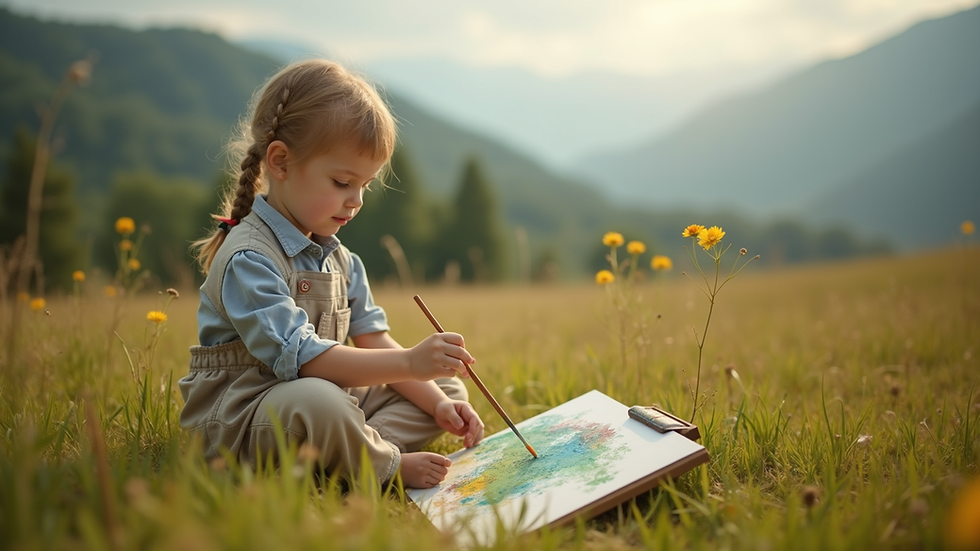
Art Integration: Combine storytelling with art by having children illustrate their stories. This can include drawing, painting, or crafting, allowing them to express their narratives visually.
Building Communication Skills
Storytelling helps children develop their communication skills. They learn to articulate their thoughts clearly and engage their audience. Here are some strategies to enhance communication:
Story Sharing: Create opportunities for children to share their stories with peers or family members. This can be done through storytelling circles or presentations.
Feedback Sessions: Encourage constructive feedback among peers. This helps children learn to listen and respond to others, enhancing their communication abilities.
Practical Activities for Nature Storytelling
To help children explore nature through storytelling art, here are some practical activities that can be easily implemented:
Nature Scavenger Hunt
Organize a scavenger hunt in a local park or natural area. Provide children with a list of items to find, such as specific leaves, rocks, or flowers. After the hunt, have them create a story based on their findings. This activity promotes observation and creativity.
Story Stones
Collect smooth stones and have children paint or draw images related to nature on them. Once the stones are ready, children can use them to create stories by arranging the stones in different sequences. This tactile approach encourages imaginative storytelling.
Nature Collage
Gather natural materials like leaves, twigs, and flowers. Have children create a collage that represents a story or scene from nature. They can then present their collage and explain the story behind it, combining art and storytelling.
Outdoor Storytime
Host outdoor storytime sessions where children can listen to nature-themed stories. After the reading, encourage them to share their thoughts or create their own stories inspired by the tales they heard. This fosters a love for literature and nature simultaneously.
The Role of Educators and Parents
Educators and parents play a vital role in nurturing children's storytelling abilities. Here are some ways they can support this process:
Create a Supportive Environment
Ensure that children have access to natural spaces where they can explore freely. This could be a backyard, a local park, or even a school garden. A supportive environment encourages children to engage with nature and express themselves.
Encourage Exploration
Promote outdoor activities and exploration. Encourage children to ask questions about their surroundings and seek answers through observation and storytelling. This curiosity-driven approach enhances their learning experience.
Provide Resources
Offer resources such as books, art supplies, and storytelling materials. Providing a variety of tools allows children to express their creativity in different ways, whether through writing, drawing, or performing.
Celebrate Creativity
Recognize and celebrate children's storytelling efforts. This could be through showcases, art displays, or storytelling events. Celebrating their creativity boosts their confidence and encourages them to continue exploring.
Conclusion
Exploring nature through children's storytelling art is a powerful way to foster creativity, enhance learning, and deepen connections with the environment. By encouraging observation, creativity, and communication, children can express their experiences in meaningful ways. As educators and parents, we have the opportunity to support this journey by creating nurturing environments, promoting exploration, and celebrating their storytelling efforts.
Let’s inspire the next generation to connect with nature and share their stories, enriching both their lives and the world around them.


Comments